Tactical Adjustments for Pompey's Recent Form: A Blueprint for Revival
Portsmouth has experienced an up-and-down start to the season, and while the passion and determination of the players remain evident, there are tactical areas that require immediate attention. As the team looks to recapture its form, a combination of strategic tweaks could be the key to unlocking their potential and achieving better results on the pitch.
Formation Flexibility
One of the most pressing tactical adjustments for Pompey is enhancing formation flexibility. Currently, a 4-2-3-1 setup has been favored, but this can become predictable against well-organized opposition. Transitioning to a 4-3-3 formation could provide a more dynamic approach, allowing for greater width in the attacking third. This formation change would not only enable the wingers to stretch the play but also give the midfielders more options for quick transitions, thus creating opportunities to exploit spaces left by opposing defenses.
Midfield Cohesion
In recent matches, Pompey has struggled with midfield cohesion, often leaving defenders exposed and strikers isolated. To rectify this, incorporating a more disciplined midfield trio can help maintain possession and control the game's tempo. Emphasizing a box-to-box midfielder who can bridge the gap between defense and attack might alleviate some of the pressure on the backline while also supporting the forwards more effectively. Also, use a double pivot could help in maintaining balance, especially against teams that press high.
Emphasizing Full-Back Contributions
The role of full-backs in modern football cannot be understated. For Pompey, encouraging the full-backs to join the attack could provide an additional layer of creativity and width. By committing them to overlap with wingers, the team can stretch opponents, creating space for central players to exploit. Also, this tactic can also serve as a defensive mechanism, allowing the wingers to track back and support defensive duties when possession is lost.
Striker Synergy
A lack of coordination between the forwards has been evident in recent games, leading to missed opportunities in front of goal. Developing a better understanding between the striker and the attacking midfielders is essential. Implementing training sessions focused on combination play, runs off the ball, and positional rotations could cultivate a more fluid attacking unit. The addition of a second striker or a more advanced attacking midfielder could also provide the focal point needed to capitalize on chances created from the wings.
Defensive Resilience
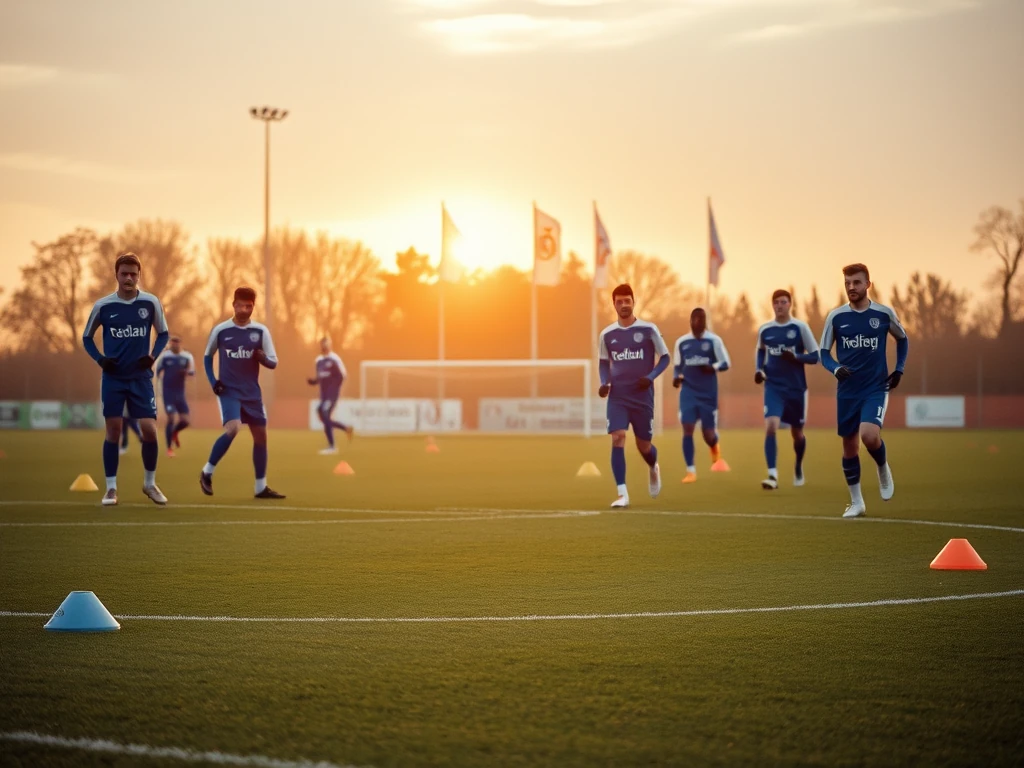
Defensively, Pompey has shown signs of vulnerability, particularly in set-piece situations. A review of defensive organization during these scenarios is key. Implementing specific drills can help players improve their marking and positioning, while instilling a stronger sense of accountability in the defensive unit. Additionally, a more aggressive press when out of possession can stifle opponents and reduce the likelihood of conceding dangerous chances.
Conclusion
As Pompey looks to handle through this challenging period, making these tactical adjustments can pave the way for improved performances and results. By embracing a flexible formation, fostering midfield cohesion, enhancing full-back contributions, and ensuring striker synergy, the team can harness its potential and rise up the League One table. The passion of the Pompey faithful is unwavering, and with the right tweaks, the squad can deliver the performances that fans expect and deserve.