
Pompey’s 1949-50 Season: The Rise of a Post-War Powerhouse
As the dust settled from the Second World War, Portsmouth Football Club began to forge a new identity in the 1949-50 season, one that would see them rise to prominence in English football. The club, which had been a force in the pre-war years, was eager to reclaim its status within the Football League and show the world that Portsmouth was back.
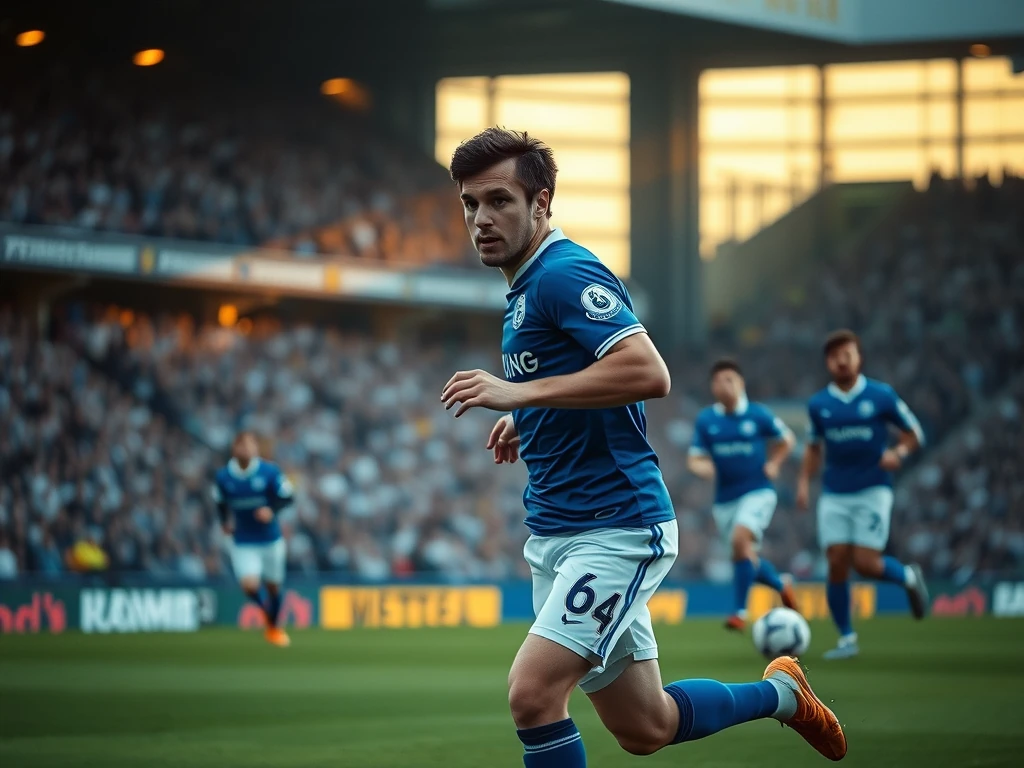
The season kicked off with an air of optimism, as manager Bob Jackson crafted a squad that was both experienced and youthful. The likes of captain and centre-half Jimmy Dickinson, a stalwart of the team, provided the backbone, while the attacking flair of players such as Len Phillips and Derek McDonald promised to add a new dimension to the club's play. Portsmouth's squad was a blend of veterans who had fought in the war and younger players eager to make their mark, creating a perfect storm of talent and experience.
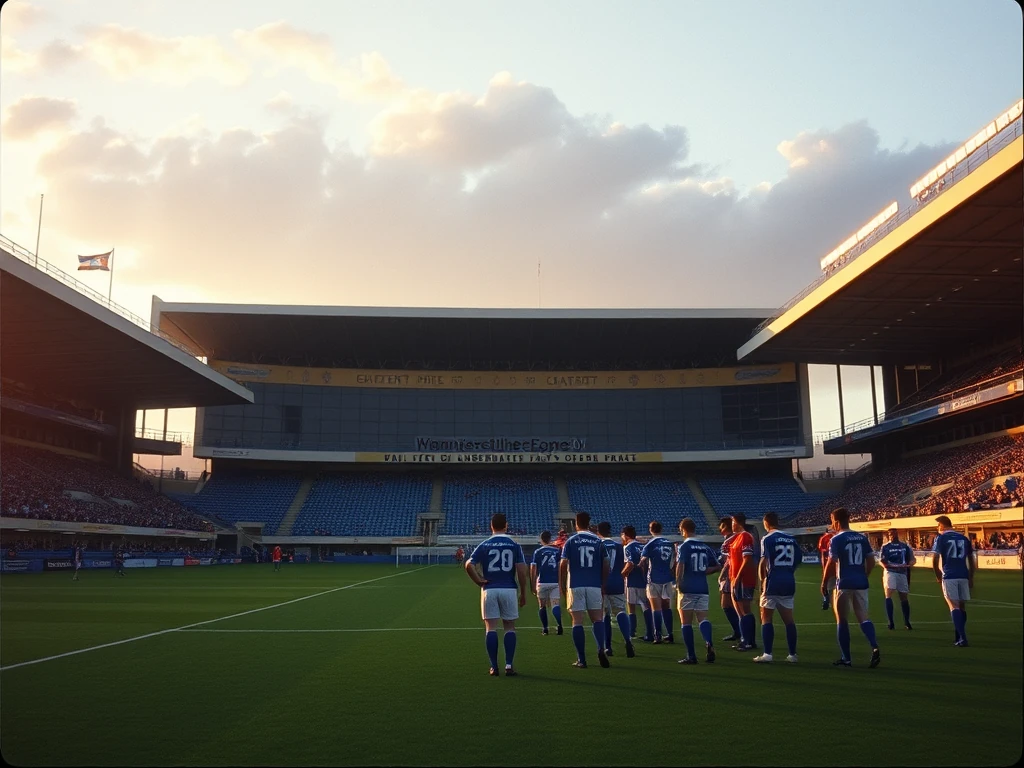
Pompey’s home ground, Fratton Park, became a fortress during this campaign. The atmosphere was electric, with fans filling the stands to support their team in an era when football was beginning to regain its footing in the hearts of the public. The club's performances at home were nothing short of exhilarating, showcasing a style of play that combined skill, strength, and tactical nous.
One of the highlights of the season came on November 26, 1949, when Pompey faced off against their bitter rivals, Southampton, in the first league meeting after the war. This match rekindled the excitement of derby day, and Fratton Park was packed to the rafters. Though the match ended in a hard-fought draw, the passion displayed by both teams left fans buzzing with anticipation for future encounters. This rivalry would continue to grow, laying the groundwork for what would become one of the fiercest derbies in English football.
The 1949-50 season also witnessed the emergence of Ray Crawford, a young forward who would go on to become a club legend. His goal-scoring prowess quickly endeared him to the Pompey faithful, as he consistently found the net and helped propel the club up the league table. Crawford's partnership with the experienced frontman Reg Smith created a formidable attacking duo that would terrorize defences across the league.
As the season progressed, Portsmouth's performances began to draw attention from all corners of the country. They not only managed to climb the league standings but were also showcasing a brand of football that was both entertaining and effective. The team's ability to play with flair while still being resolute at the back was a sign of the tactical acumen of Jackson, who had instilled a sense of belief and unity in the squad.
By the end of the season, Portsmouth finished in a commendable third place in the Second Division, narrowly missing out on promotion. However, the foundations laid during this campaign would prove key for the club's future success. The blend of youth and experience had been a masterstroke, and the echoes of the 1949-50 season reverberated through the club for years to come.
In retrospect, the 1949-50 season was more than just a campaign to regain lost ground; it was a declaration of intent from Portsmouth Football Club. As they marched forward into the subsequent seasons, the lessons learned and the spirit cultivated during this key time would serve as a catalyst for future triumphs, including their eventual rise back to the First Division. The legacy of this season continues to resonate with fans today, reminding them of the resilience and passion that defines Pompey.