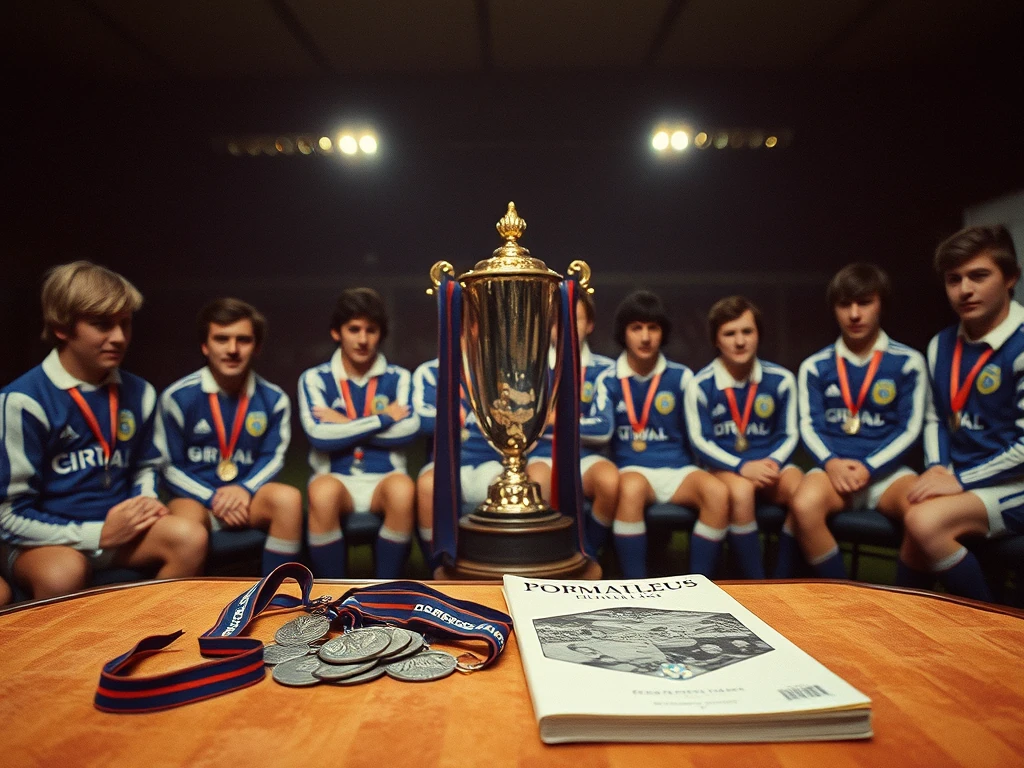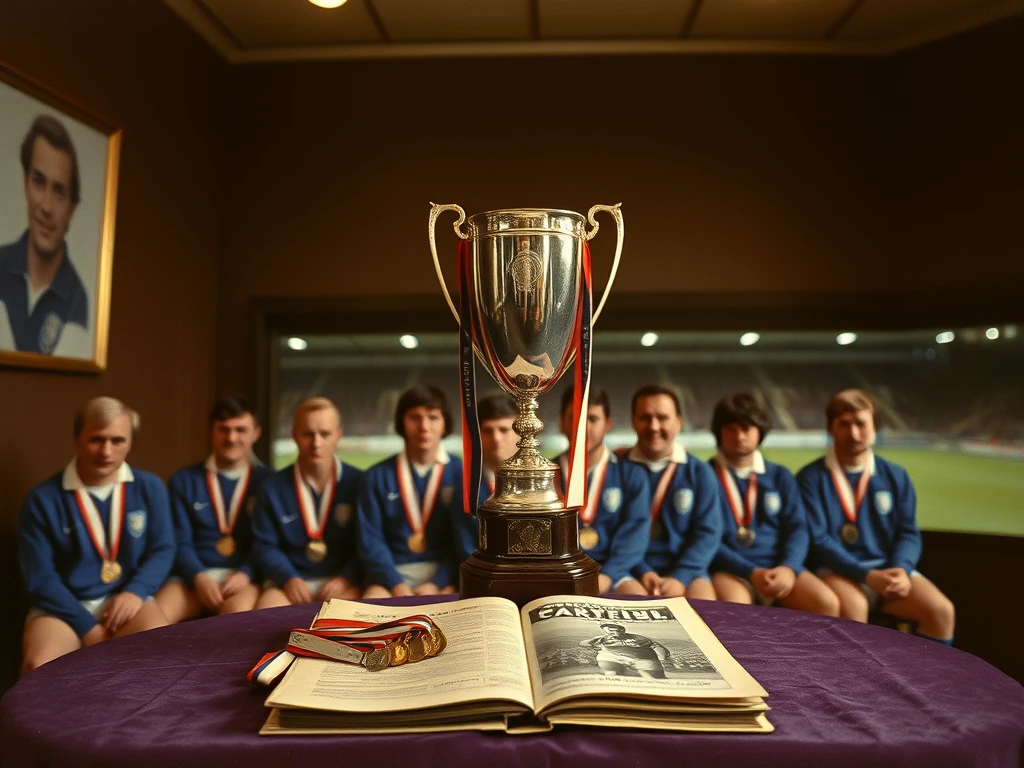
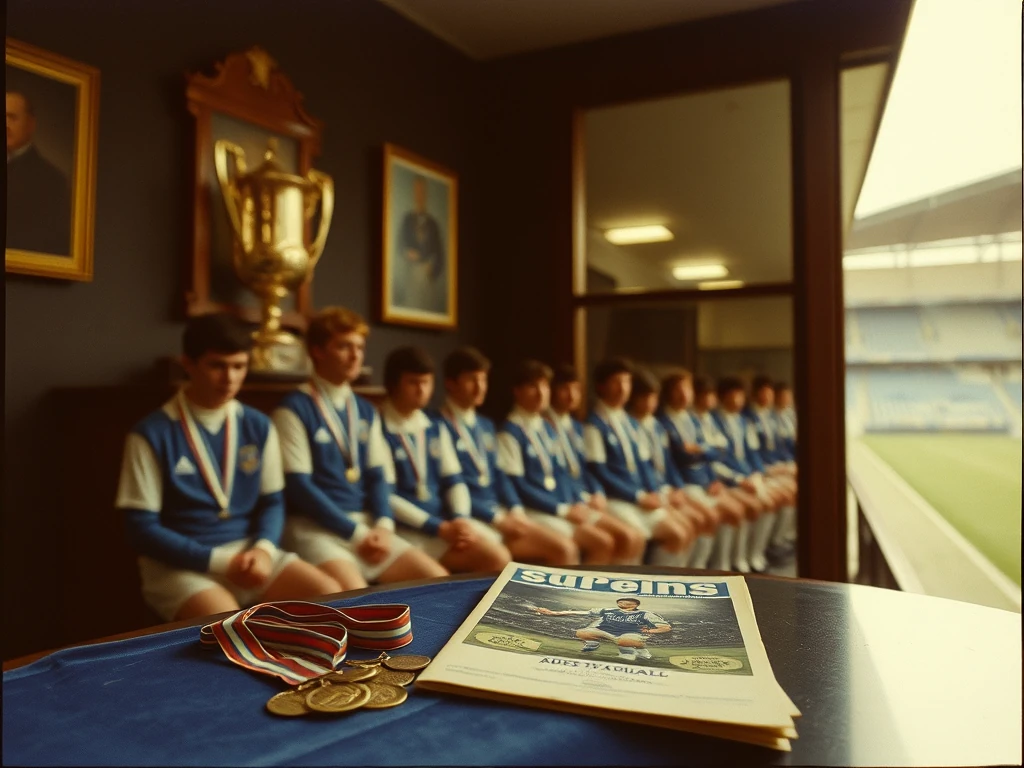
In the annals of Portsmouth FC's storied history, the 1960s stand out as a decade of resurgence and ambition, following a tumultuous post-war period. After struggling in the lower leagues, Pompey embarked on a remarkable journey that would see them return to the top flight of English football, igniting hope and passion among the club’s supporters.
The decade kicked off with a significant managerial change in 1960 when the highly regarded coach, Harry Redknapp, took the helm. Although Redknapp would later gain fame for his managerial prowess at clubs like West Ham and Tottenham, his early career at Pompey laid the groundwork for the club's recovery. Under his guidance, the squad began to gel, blending a mix of youth and experience that would become key in the following seasons.
A key figure during this revival was the legendary forward, Mike Trebilcock. Arriving at Fratton Park in 1961, Trebilcock quickly became a fan favorite, known for his blistering pace and clinical finishing. His presence up front was instrumental in Pompey's offensive tactics, and he played a key role in the club's successful campaigns. Fans still fondly recall his thrilling runs down the wing, often leaving defenders trailing in his wake, as he netted key goals during this key time. His contribution was not merely statistical; he embodied the fighting spirit that defined Pompey during this era.
The 1962-63 season was a turning point for the club. After several years of mediocrity, Pompey achieved promotion to the Second Division, igniting a renewed sense of optimism among the supporters. The team's style of play was characterized by attacking football and a resolute defense, a combination that made them formidable opponents in the league. It was a season marked by memorable matches, with fans flocking to Fratton Park to witness the rebirth of their beloved club.
Trebilcock's partnership with fellow forward, Alan Biley, proved devastating for opposition defenses. The duo formed a lethal strike partnership that would haunt rival teams throughout the season. Their understanding on the pitch was palpable, and as they combined their talents, Pompey's rise up the league table became inevitable. With an impressive home record and a string of away victories, the club secured their place back in the Second Division, setting the stage for further ambitions.
The following season solidified Pompey’s position as a force to be reckoned with in English football. The team continued to attract attention, and the fanbase grew exponentially, creating a vibrant atmosphere at Fratton Park. The supporters rallied behind the team, creating a fortress that was notoriously difficult for visiting teams to penetrate. The camaraderie between the players and fans was palpable, with chants echoing through the stands, as Pompey’s resurgence became a shared triumph.
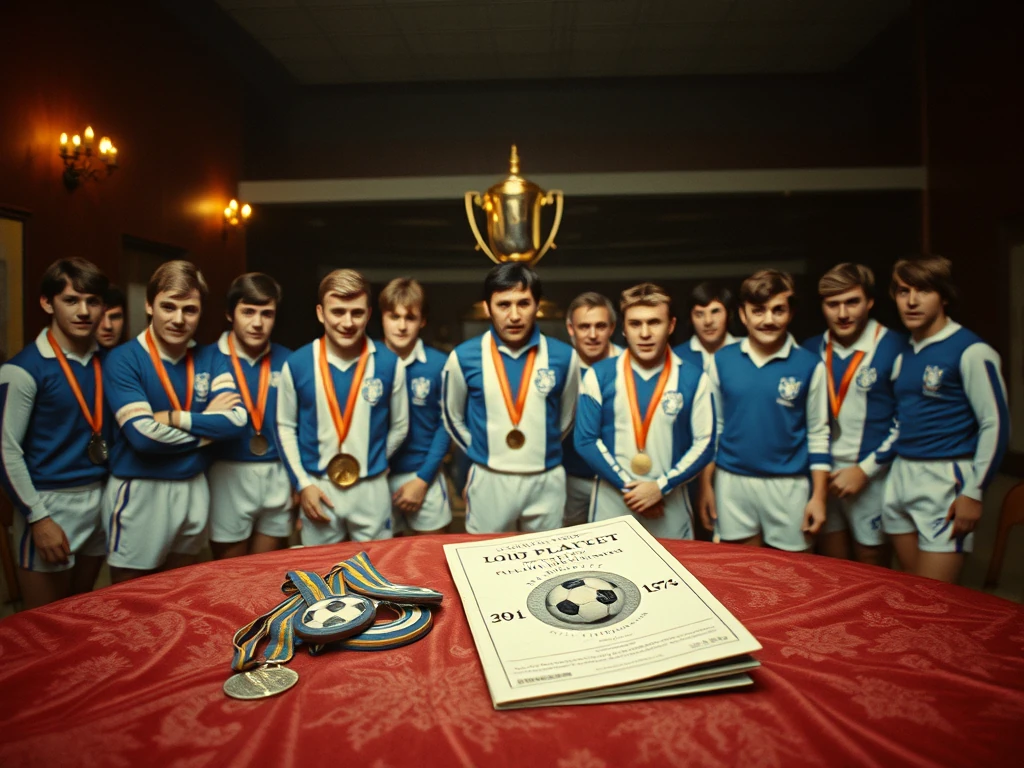
By the end of the decade, Portsmouth FC had not only established themselves in the Second Division but also laid the foundations for future success. The lessons learned and the spirit cultivated during this period would resonate for years to come, shaping the club’s identity and philosophy. As we look back on this major decade, it is clear that the journey of the 1960s was more than just a series of successful seasons; it was a revival that rekindled the passion of a city and its football club.
Pompey’s 1960s revival is a sign of the enduring spirit of the club and its supporters. It serves as a sign that even in the face of adversity, with the right leadership and a committed squad, football clubs can rise from the ashes, inspiring generations of fans along the way.