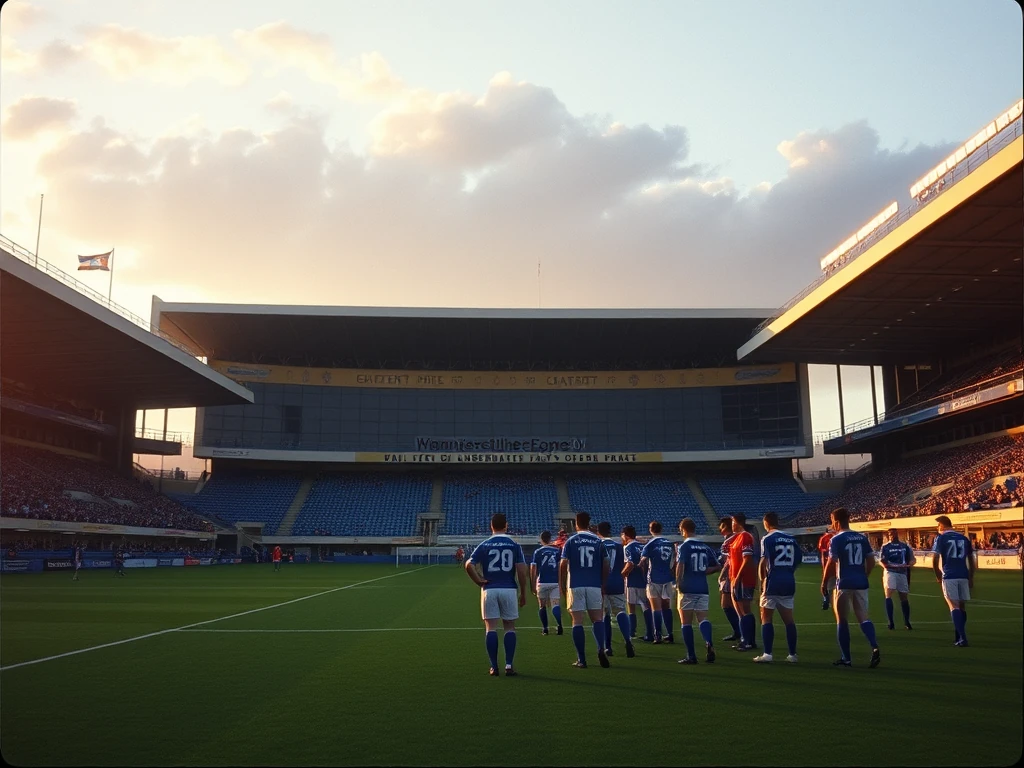
As Portsmouth continues to handle the challenges of the League, recent performances have sparked conversations among fans and analysts alike about the club's tactical identity. The team has shown flashes of brilliance, but inconsistencies have also crept into their game, suggesting that a reassessment of their tactical approach could yield significant benefits.
Current Tactical Structure
Portsmouth has predominantly use a 4-3-3 formation, which emphasizes width and attacking prowess. This setup allows the wingers to stretch the opposition's defense and create space for the midfielders to operate. However, in recent matches, the execution of this formation has been somewhat disjointed. The midfield trio, while capable, has struggled to maintain possession and control the tempo of the game, often leaving the defense exposed as they push forward.
Midfield Dynamics
One particular area of concern has been the midfield's ability to link play effectively. The current midfielders need to work on their positioning and movement off the ball to better support both the attack and defense. Incorporating a more dynamic midfielder, perhaps with a penchant for breaking lines or contributing defensively, could provide the necessary balance. A player who excels in transitional play could help Portsmouth regain control when possession is lost, allowing the team to reset more effectively.
Defensive Solidity
Defensively, while Portsmouth has shown resilience at times, lapses in concentration have led to unnecessary goals conceded. The back four must be more cohesive, with clear communication and understanding of their roles. One tactical tweak could involve the full-backs adopting a more conservative approach at times, staying back to provide additional cover for the center-backs during counterattacks. This would allow the wingers to press higher up the pitch, maintaining width while ensuring the defensive line remains solid.
Exploiting Set-Pieces
Another area ripe for improvement is set-piece execution, both offensively and defensively. Portsmouth has the physicality and aerial prowess to capitalize on corners and free-kicks but has often fallen short in converting these opportunities into goals. A focused approach to set-piece training could enhance their scoring potential while also ensuring they are more organized when defending against set pieces, an area where they have sometimes been caught off-guard.
Tactical Flexibility
Also, introducing a degree of tactical flexibility could serve Pompey well. At times, shifting to a 4-2-3-1 formation could provide more stability in midfield while also allowing for a more fluid attacking structure. This change would enable the team to play with two holding midfielders, providing a safety net for the defense and allowing the attacking players to express themselves without the constant fear of being exposed on the counter.
Conclusion
Portsmouth's recent form highlights both the strengths and weaknesses of their current tactical setup. By making strategic adjustments, particularly in midfield dynamics, defensive organization, set-piece execution, and tactical flexibility, Pompey can hope to build on their potential and push for greater success in the league. The journey ahead is challenging, but with the right tweaks, Portsmouth can rediscover their winning ways.