 Portsmouth Hub
Revamping Pompey's Tactical Approach: Finding the Right Balance
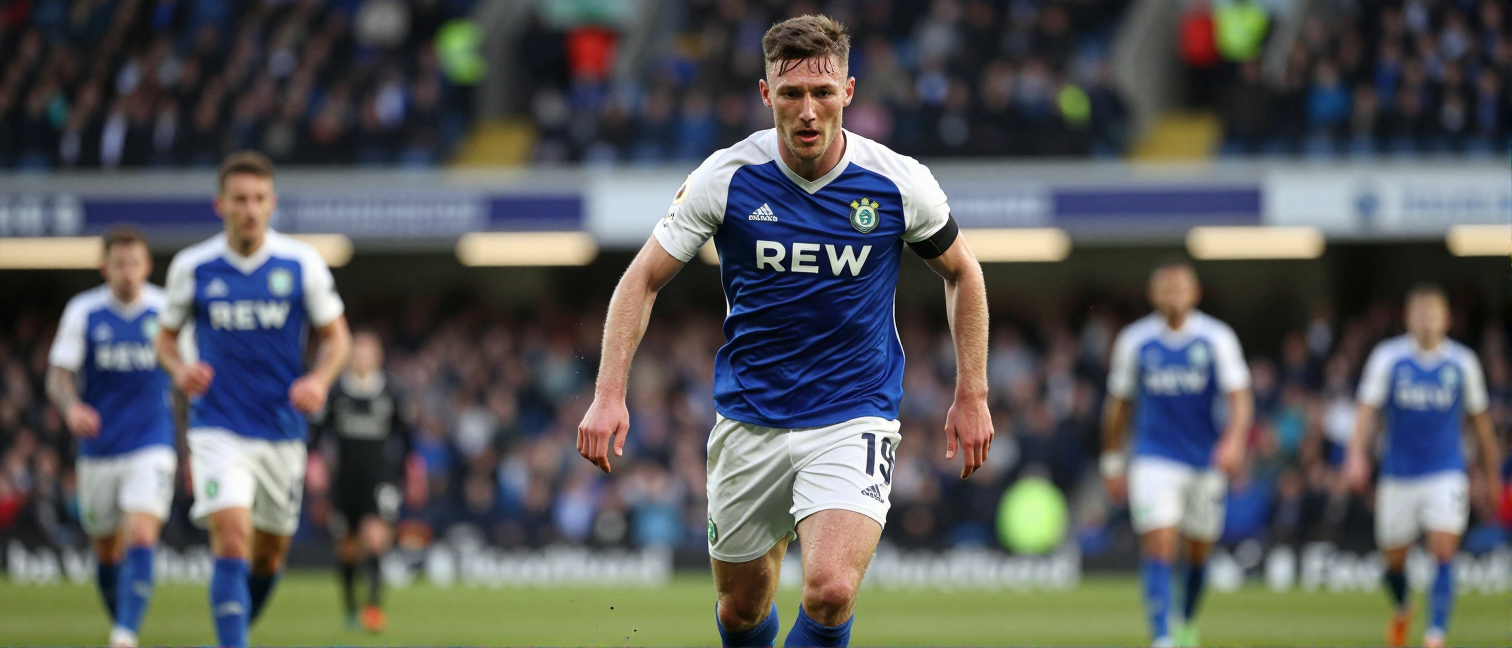
Portsmouth's recent form has sparked discussions among fans and analysts alike about the need for tactical adjustments. As Pompey aims to solidify their position in League One, understanding the nuances of their current play and identifying potential tweaks could be the key to unlocking their full potential.
Current Tactical Setup
Under the guidance of manager John Mousinho, Portsmouth has predominantly deployed a 4-2-3-1 formation. This setup has allowed for a degree of fluidity in attack, especially with the likes of the wingers stretching the play and creating space for the midfield. However, in recent matches, it has become evident that the team could benefit from a more dynamic approach, particularly in the midfield and defensive transitions.
Issues in Recent Performances
One of the primary concerns has been the midfield’s inability to link effectively with the forwards. The reliance on long balls has often led to a lack of possession and control, especially against teams that press high. Additionally, the defensive line has been caught flat-footed at times, leading to unnecessary goals conceded. The midfield duo needs to engage more in ball recovery and distribution to alleviate pressure on the backline.
Suggested Tactical Tweaks
1. Formation Shift to 4-3-3: Transitioning to a 4-3-3 formation could provide Portsmouth with greater control in the midfield. By adding an additional midfielder, Pompey can enhance their ball retention and pressing capabilities. This shift would allow the wingers to push higher up the pitch, supporting the lone striker while also pressing the opposition more aggressively.
2. Enhanced Pressing Strategy: Encouraging a more coordinated pressing approach can disrupt opponents’ build-up play. By instilling a philosophy where the front three and midfielders work in unison to close down spaces, Pompey can regain possession higher up the pitch, ultimately leading to more scoring opportunities.
3. Utilizing Full-Backs in Attack: Full-backs are crucial in both defensive solidity and attacking width. By allowing the full-backs to overlap the wingers, Pompey can create overloads on the flanks, stretching the opposition and providing more options in the final third. This tactical tweak can also create space for midfielders to make late runs into the box.
4. More Rotational Movement: Encouraging players to interchange positions fluidly can confuse opposing defenses. For instance, allowing the attacking midfielder to drop deep occasionally to draw defenders out of position can create space for the wingers or striker to exploit. This rotational play can make Pompey’s attack less predictable and more dynamic.
Player Roles and Responsibilities
In this revised setup, the roles of key players will be crucial. The central midfielder must possess strong ball-carrying abilities and vision to dictate play, while the wingers need to be adept at both crossing and cutting inside to create goal-scoring opportunities. The striker should be versatile enough to drop deeper when necessary, allowing for fluid movement and creating space for oncoming midfielders.
Conclusion
As Portsmouth looks to build momentum in the league, tactical refinements will be imperative. By transitioning to a more cohesive and dynamic system, Pompey can capitalize on their strengths while addressing the weaknesses that have surfaced in recent performances. With these adjustments, the club can aim to secure vital points and reclaim the competitive edge that defines their rich history.